


Why site burden benchmarking matters

How sponsors can use a Site Burden Index to benchmark protocol complexity, improve site engagement, and accelerate recruitment before challenges arise.
Rare disease trials don’t need better recruitment. They need awareness.

Why rare disease trials fail at recruitment. Here’s why awareness, not more outreach, is the real solution for reaching undiagnosed and dispersed patients.
Clariness Announces Jim Corrigan as CEO to Lead Next Phase of Growth
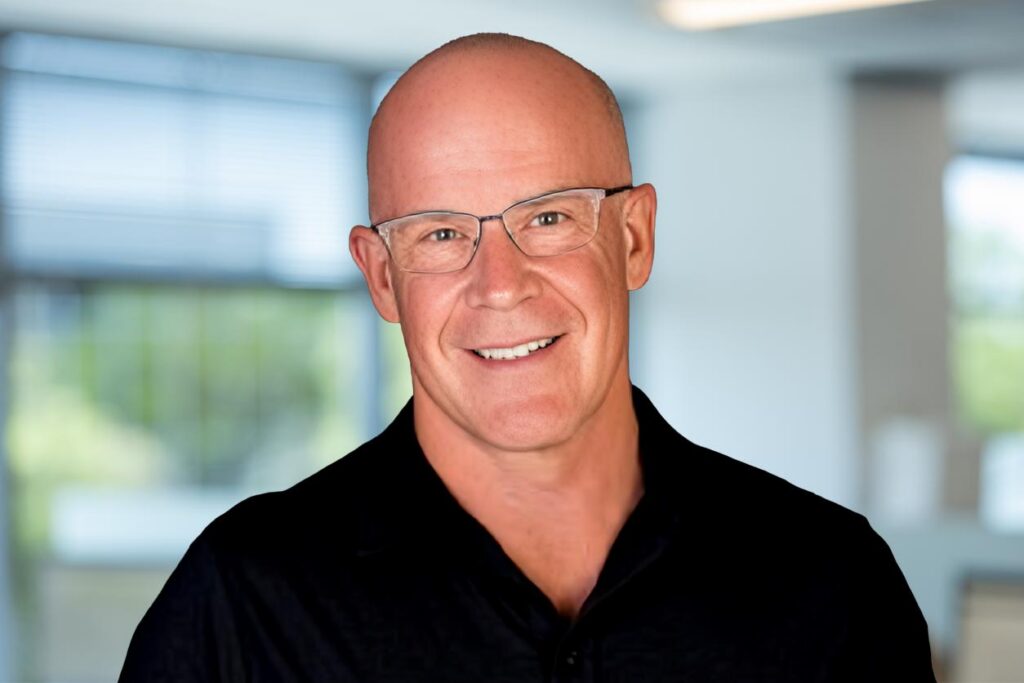
Company also unveils integrated executive leadership team to drive scalable execution.
The women who changed clinical trials

And what they teach us about patient recruitment today.
How global standards of care data shape patient recruitment

Treatment patterns, diagnostic pathways, and healthcare access determine who is eligible, reachable, and likely to enroll in global trials.
The future of global patient engagement starts with experience

Why patient experience will define the next era of clinical research
Why global trials need local trust

Local expertise, human support, and cultural understanding are what turn global studies into successful ones.
Global Patient Recruitment Program for a Rare Kidney Disease

SubjectWell’s success in a rare disease, phase III Autosomal Dominant Polycystic Kidney Disease (ADPKD) clinical study.
Clariness and SubjectWell Merge to Form Global, Full-Service Patient Recruitment Platform
Best-in-class merger will combine global scale, scientific rigor, and patient-first design to transform clinical trial access and execution worldwide.
